
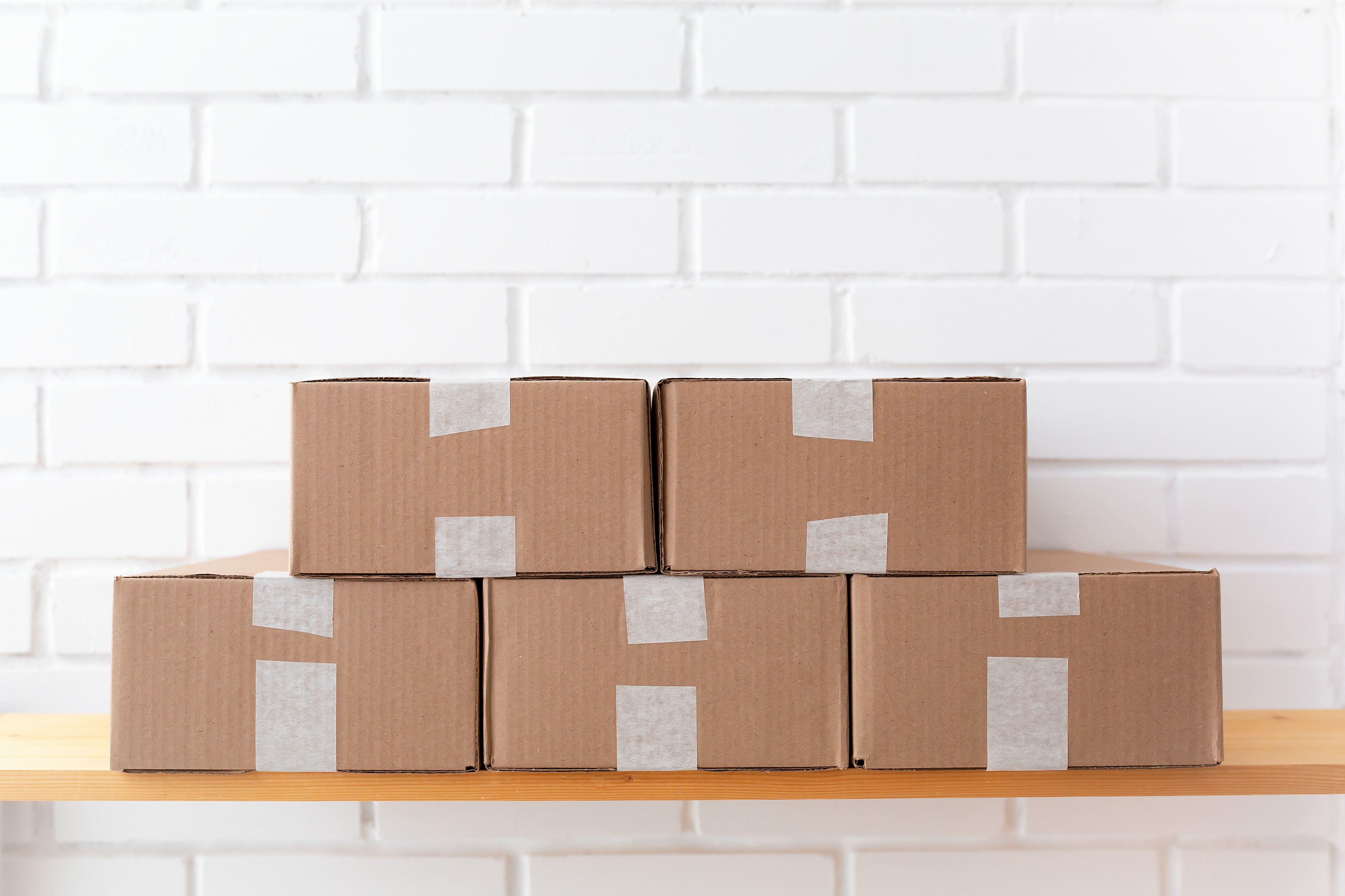
I currently have a "death pile" of unlisted thrift hauls functioning as a load-bearing wall in my Brooklyn apartment. Sourcing item-by-item at the local Goodwill is fun. Eventually, though, digging through bins for a single salvageable vintage tee becomes a bottleneck.
To actually scale this gig, you have to transition to buying bulk inventory. Finding solid vintage clothing bales on eBay is the secret to locking in consistent profit margins without ever leaving your couch.
Here is how to upgrade your sourcing strategy and protect your margins along the way.
eBay is quietly hiding the best wholesale suppliers on the internet
When most people think of eBay, they picture bidding wars over retro video games. Digging into the world of eBay vintage clothing reveals a completely different reality. It is a massive, hidden ecosystem of liquidators, rag houses, and wholesale suppliers.
Instead of wiring money to a sketchy warehouse you found on page four of Google, you use eBay’s buyer protection to test out new bulk suppliers safely. Reputable sellers offer everything from 10-piece beginner lots to massive pallets, shipped directly to your door. (My partner trips over these heavy boxes at least twice a week. I tell him it builds character.)
The three ways to buy bulk without drowning in unlisted inventory
Depending on your available capital and how much floor space you are willing to sacrifice, there are a few distinct ways to buy wholesale.
The curated mystery box
A vintage clothing mystery box is the perfect entry point if you are new to wholesale. Other resellers or boutique liquidators curate these boxes, selling them by weight or item count. You might find a 10 lb vintage clothing box covering everything from tops to skirts.
The benefit here is the hit rate. The extreme junk has already been filtered out. (This means you avoid the 2018 fast-fashion vegan leather jackets that look flawless on the rack but peel like a shedding snake the second they experience friction in the postal system. That is a ticking time bomb you do not want.)
Raw vintage clothing bales
Stepping up to raw vintage clothing bales is where your cost per item drastically drops. These are typically 50 to 100 lbs of crushed, unsearched clothing. Sourcing raw bales of vintage clothing straight from rag houses means you can expect to sort through absolute gems alongside some heavily flawed items that will need to be redonated. This is how you achieve a Cost of Goods Sold of just a few dollars, or even cents, per item.
Retail liquidation pallets
If you want to step away from vintage entirely and are wondering where to buy clothing pallets, eBay hosts massive liquidations. You can source pallets of customer returns and New With Tags items from major retail chains.
How to buy sight-unseen clothing without getting scammed
Buying a 50 lb block of crushed fabric carries inherent risks. Here is how you protect your investment.
- Factor in the freight Heavy bales cost a small fortune to ship. When evaluating vintage clothing bales for sale, always build shipping into your unit cost. Depending on the seller, shipping a 10 lb clothing box runs around $35.25. A larger 33-piece vintage lot might sit between $38.55 and $42.86.
- Learn the grading scale Sellers grade clothing differently. Grade A means excellent condition. Grade B means minor, fixable flaws. Grade C usually means heavy wear or permanent stains. Message the seller before you hit buy if a listing leaves out the grade entirely.
- Analyze the listing photos Sellers often display a fan-out of the included brands. You can easily spot highly specific lots, like a 12-piece run of 70s women's dresses or targeted bundles of 60s blouses.
Direct links to wholesale suppliers so you don't have to search blindly
Based on current liquidators offering heavy volume, here are actively updated searches for women's wholesale clothing.
- Search Unsearched Vintage Clothing Bales on eBay
- Browse Women's Vintage Clothing Lots
- Shop Curated Vintage Clothing Mystery Boxes
- Find Wholesale Vintage Clothing Pallets
Do not list a single item until you run the math
Buying a bale is only step one. Knowing your numbers is what keeps you out of the red.
Let’s say you buy a 100-piece bale for $500 total, including shipping. Your Cost of Goods Sold is exactly $5.00 per item.
If you list a vintage blouse from that bale on Depop for $25.00, you are not making $20.00 in profit. You have to account for platform fees, payment processing fees, and whatever shipping discounts you offered the buyer. (Trying to calculate shifting fee structures in your head while watching Netflix is a fast track to a migraine.)
Rule of thumb: protect your margins before you price your items. Head over to our home page and use the Depop, Grailed, Poshmark, or Mercari Fee Calculators to figure out your exact breakeven point and net profit margin. Knowing your real numbers on bulk inventory is the only way to scale a sustainable business.
Calculate your margins, plug in your steamer, and process that new bale before you accidentally decide to keep the best vintage sweaters for yourself.